
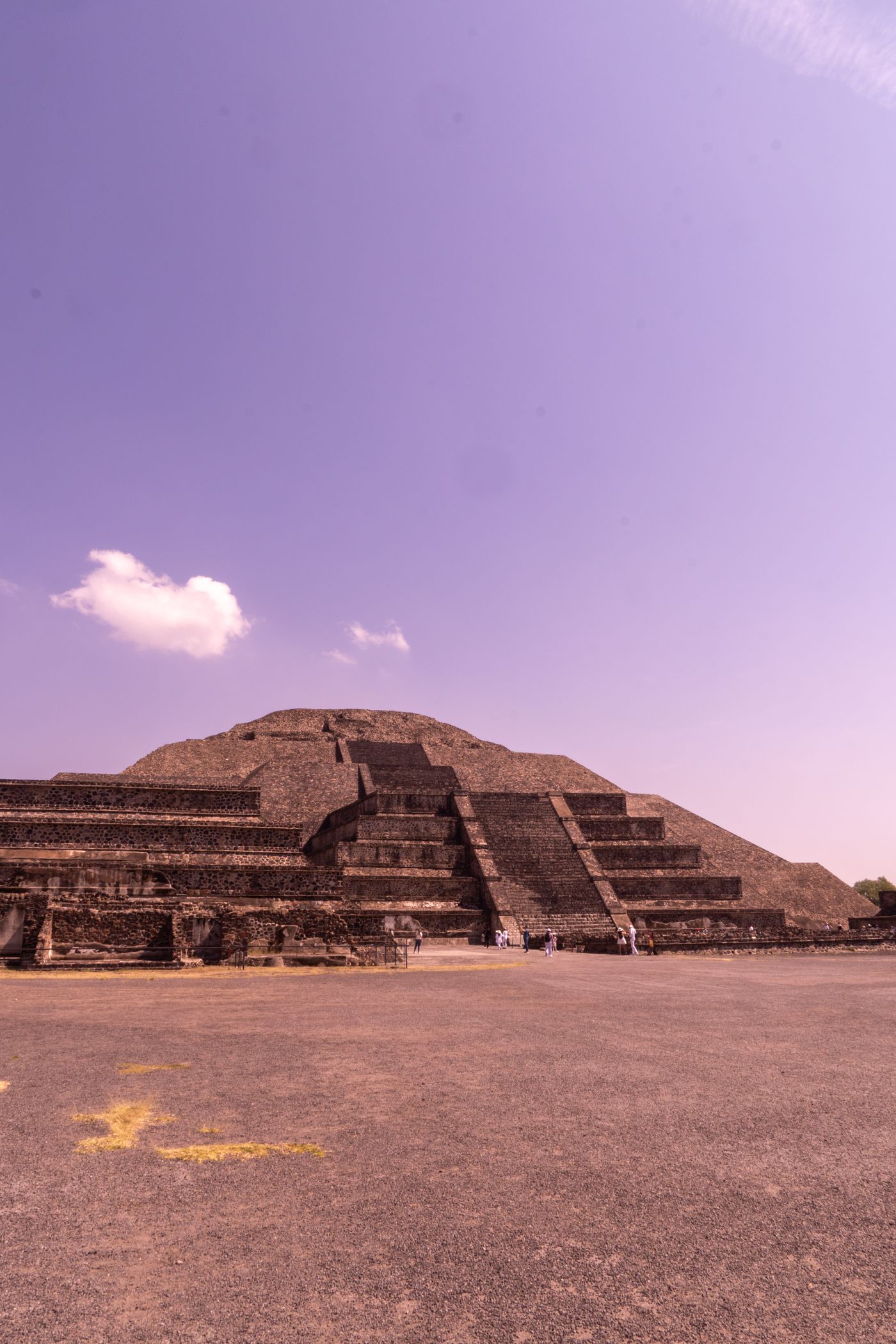
How Mexico remembers its dead
From painted Zapotec tomb chambers beneath Monte Albán to marigold-covered graves on Día de los Muertos — we document the archaeology, traditions, and living culture of Mexican mortuary practice.
Archaeology
Excavation reports, tomb discoveries, and what burial goods reveal about Mesoamerican societies — from Teotihuacán to the Oaxaca Valley.
Living Traditions
Día de los Muertos observances, family cemetery maintenance, and customs that blend indigenous and Catholic practice across regions.
Site Guidance
How to visit archaeological zones and historic cemeteries respectfully, with context drawn from published research.
Three ways into the subject
Mexico holds one of the world's richest records of funerary culture. Start with a guide or jump directly to a region or era.
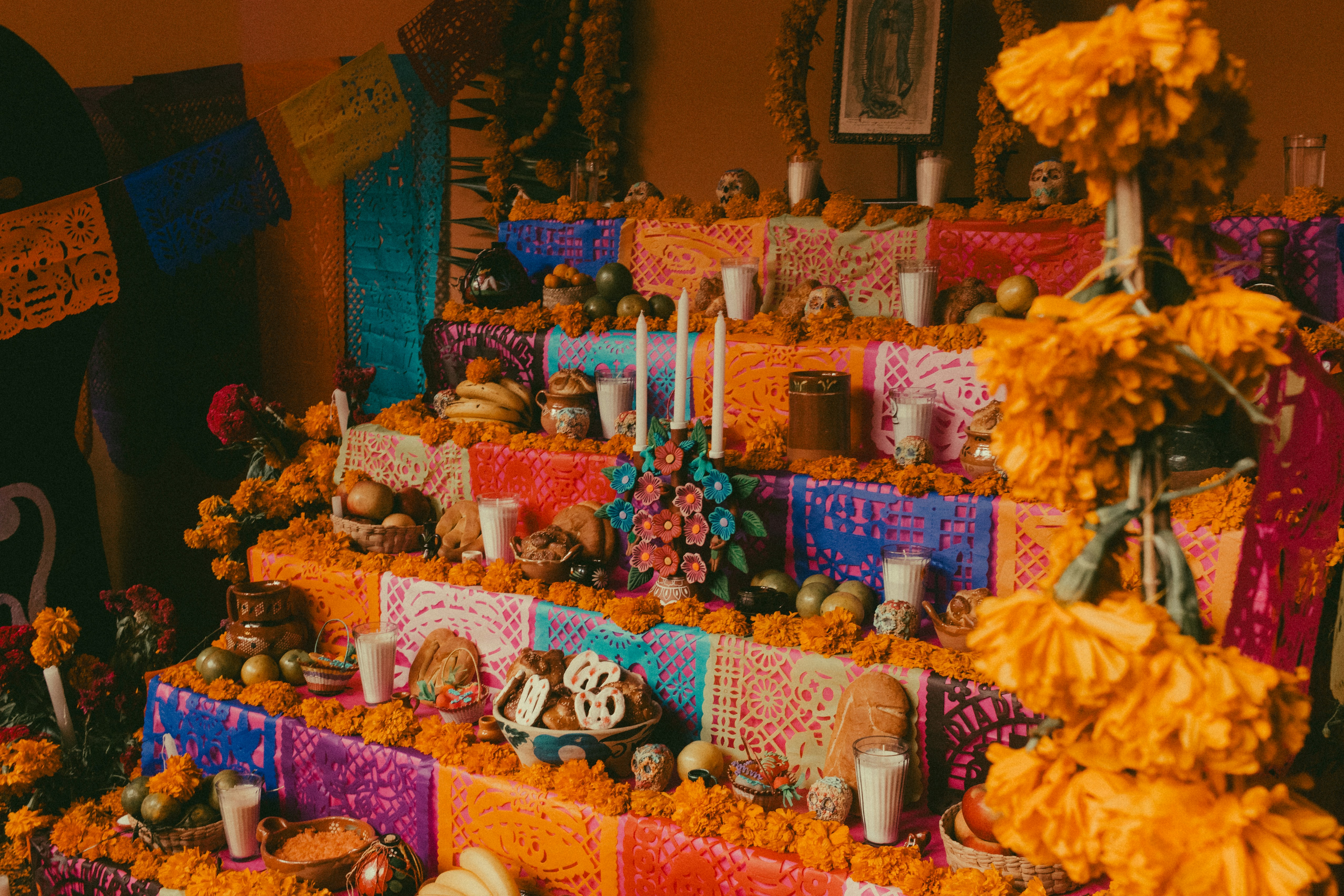
Burial Traditions
Pre-Columbian mortuary rites, colonial cemeteries, and the practices families maintain today.
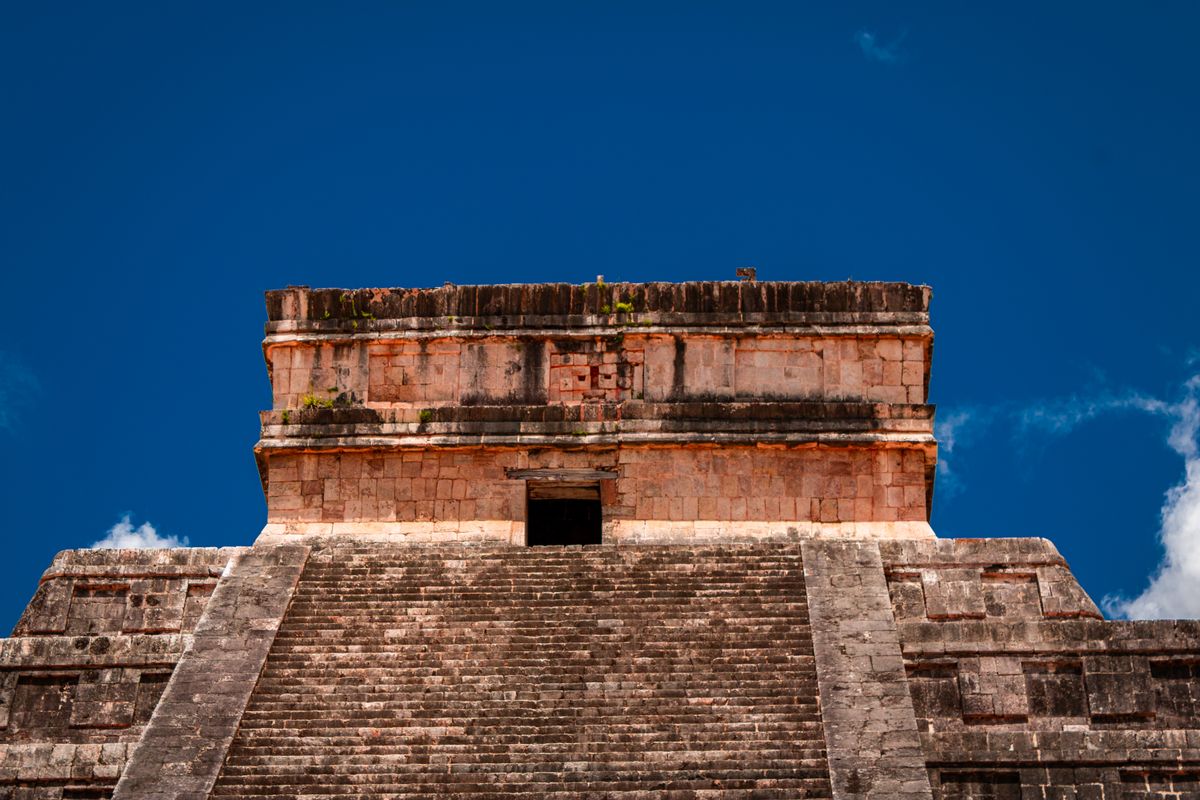
Archaeology & Sites
Major tomb discoveries, ongoing INAH projects, and guidance for visiting heritage sites.
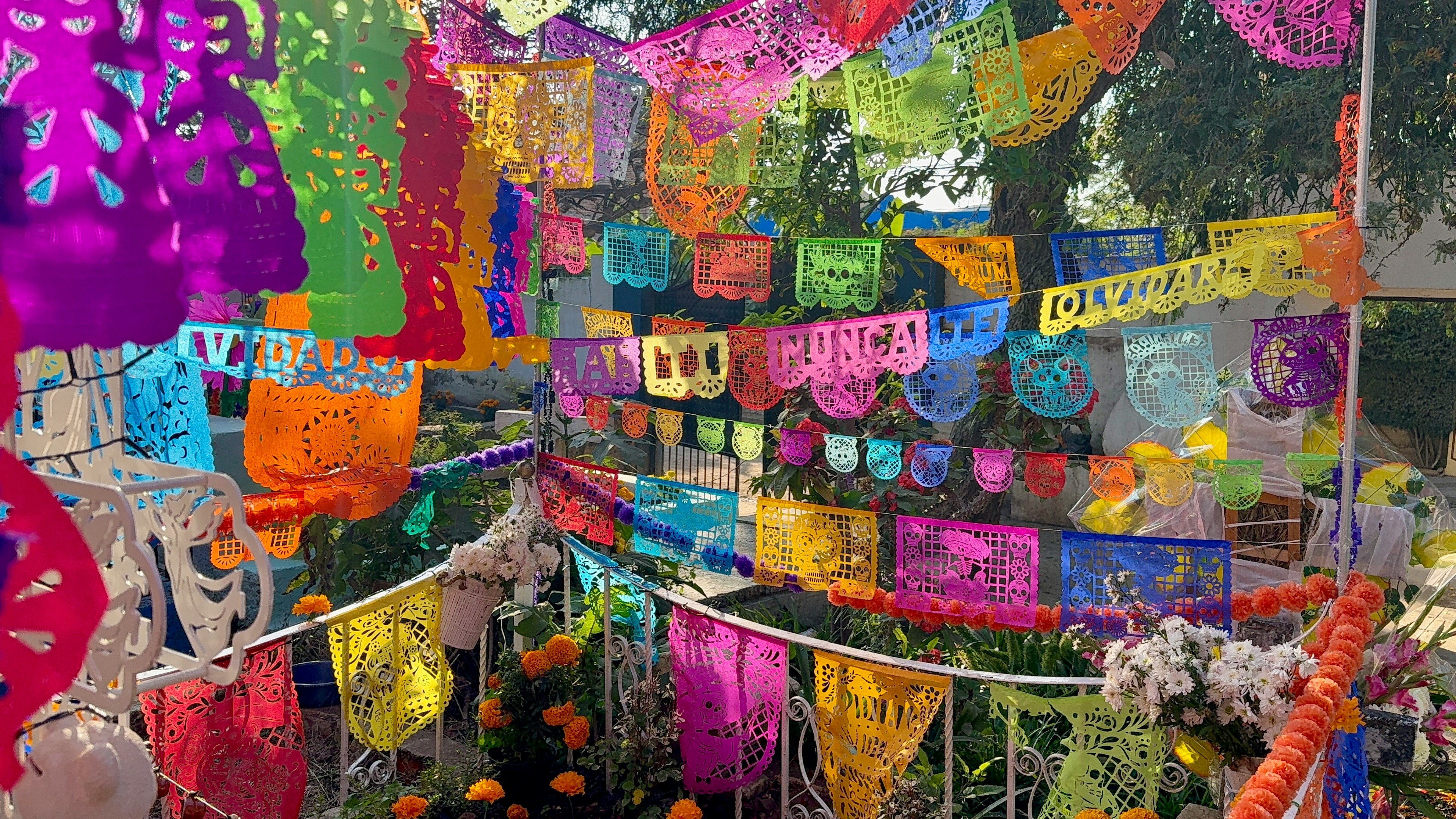
Articles & Essays
In-depth pieces on shaft tombs, Zapotec painted chambers, and cemetery culture.
Latest articles
-
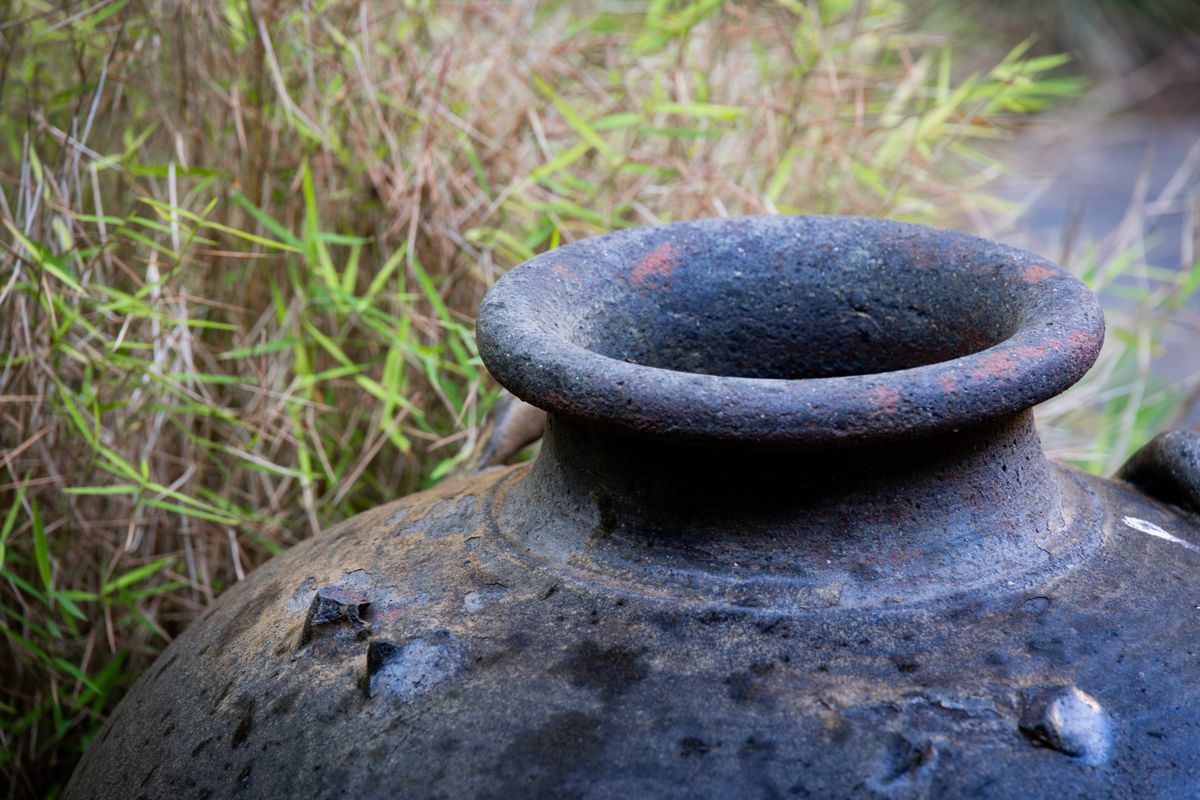
The Western Mexico Shaft Tomb Tradition
Deep vertical shafts leading to chamber tombs define a regional burial style that flourished in Jalisco, Colima, and Nayarit between roughly 300 BCE and 400 CE.
-
Inside the Painted Tombs of the Zapotec
Excavations at Atzompa and Monte Albán have revealed burial chambers with murals in red, ochre, and black pigments that reshape our understanding of Zapotec elite culture.
-
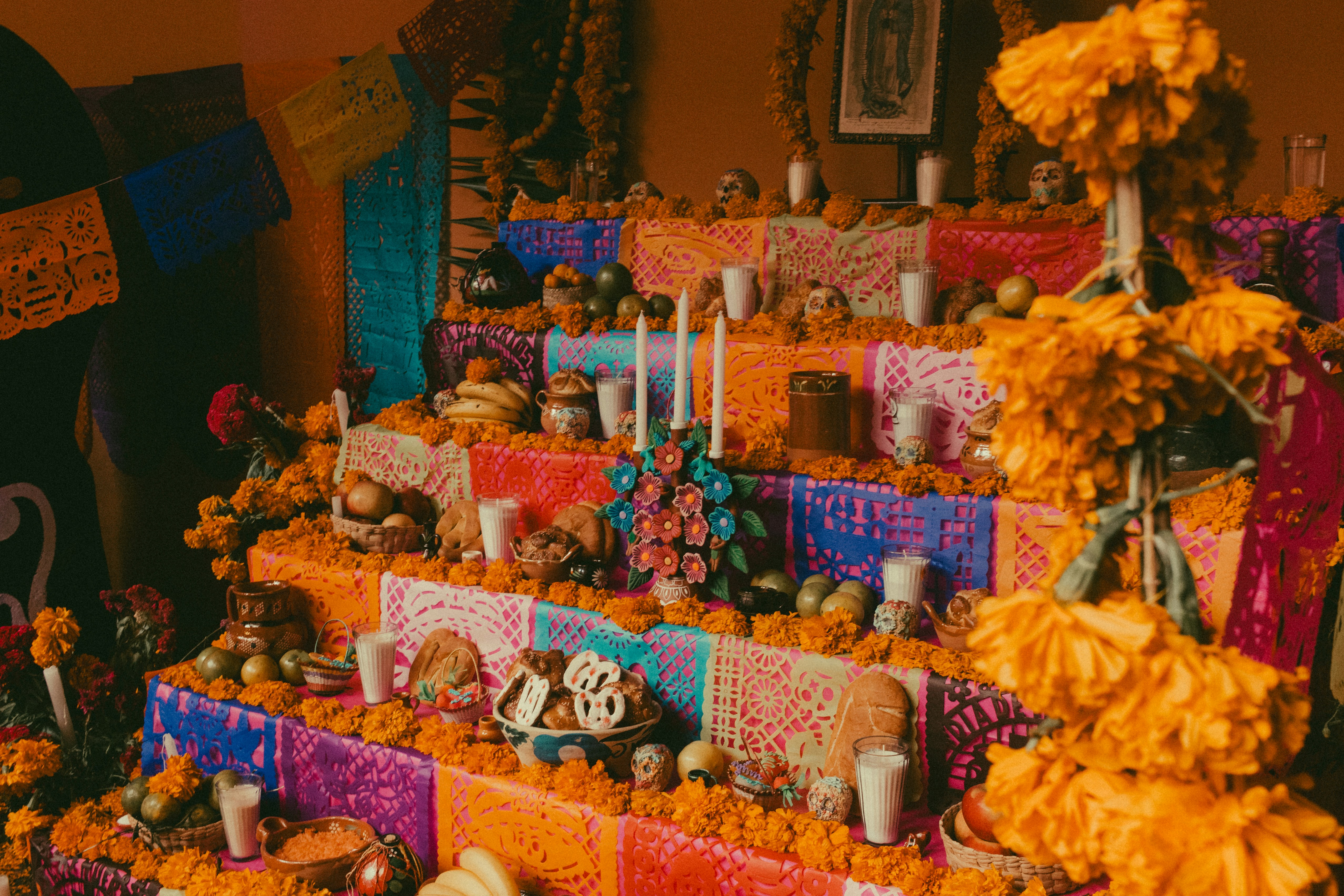
Graves, Altars, and Día de los Muertos
How families prepare cemetery plots for the November observance, and why the distinction between grave and ofrenda matters.